
Two numbers you can know tonight
A fire inside the flue usually ends with a roar that dies away, a smell of hot tar and a household that is not sure the danger has passed. Money is the next worry. The honest position is that two parts of the bill are fixed, and the rest depends on what the heat did to tile, mortar and metal you cannot see from the room.
Yates Chimney Solutions works across Los Angeles on chimneys that have burned. This page sets out the figures we publish, the repairs that only get a figure once the flue has been filmed, and the reasons one fire costs a few hundred dollars to put right while another ends in new brick above the roof.
The published figures
| What we do | Price |
|---|---|
| Full-height camera survey of the burned flue (Level 2) | $395 |
| Clearing out the charred deposits and soot | from $425 |
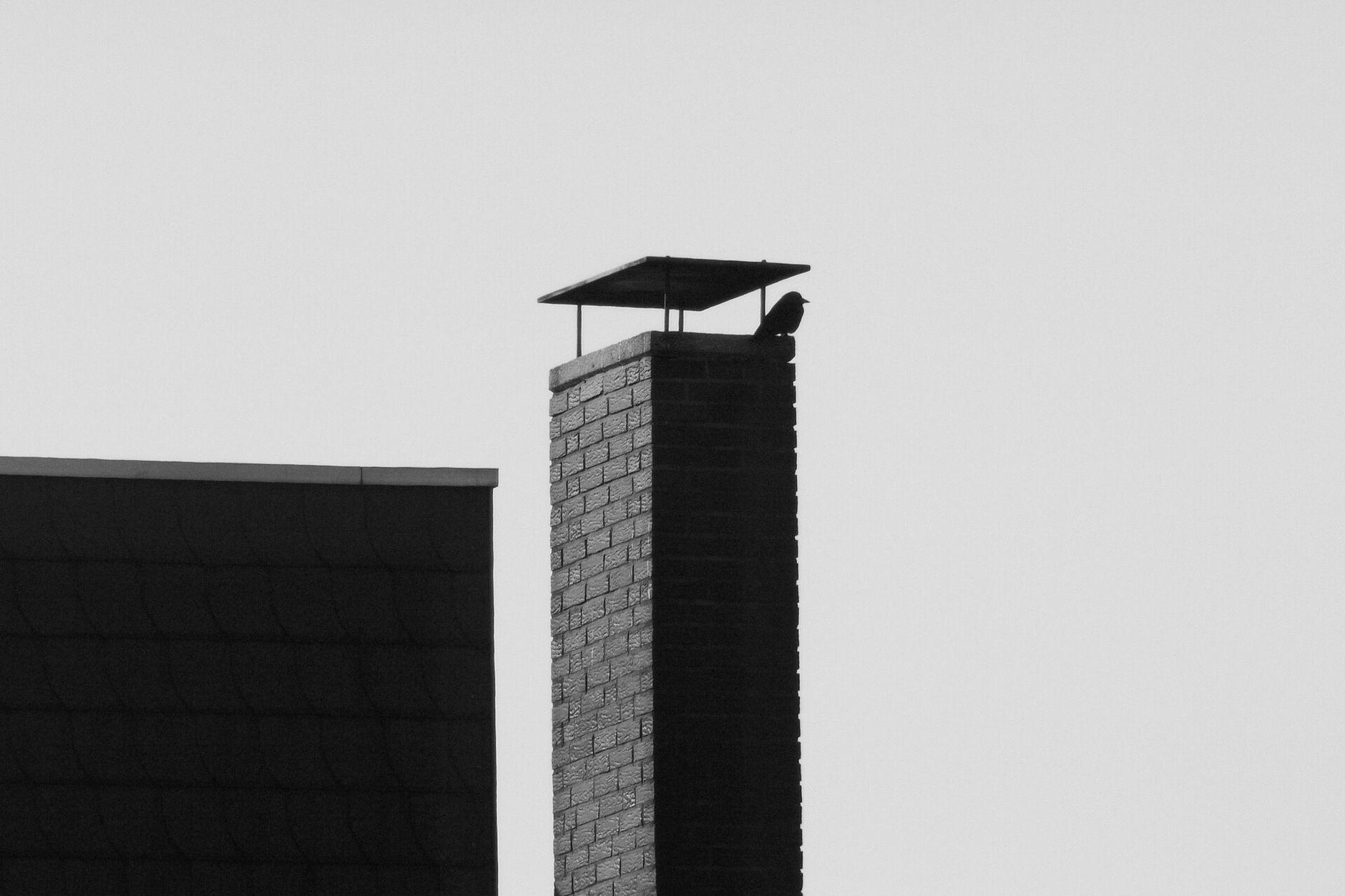
| Replacement top with a spark screen | quoted after we measure |
| Tracing and stopping water that gets in afterward | $565 to $3,400 |
The camera survey comes first on every fire job. NFPA 211, the fire code document most chimney work is measured against, treats a chimney fire as a reason to look harder than a visual check allows, and so do we. A flashlight from the hearth shows the bottom few feet. The camera rides the whole height and records each joint between the clay sections, which is where heat damage tends to show.
The cleanout follows. Creosote that has burned does not stay as a smooth coat. It swells into a light, crusty layer that drops in flakes, and it has to come out before anyone can judge the tile under it. On a heavily coated flue the findings may say the tile could not be read until that cleanout is done.
The cap is on the list because a fire can warp thin steel or burn through its screen. Water work is on it because hot tile cracks, and a crack that lets heat out today lets rain in by January.
What has no price until we have seen it
Three repairs make up most of the money on a serious fire, and none of them can be priced from a description.
- A new liner. When clay sections have cracked, shifted or lost pieces, the usual answer is a stainless steel liner run from the firebox or appliance to the top, or a poured lining on some chimneys. The length, the diameter and how straight the flue runs set the figure.
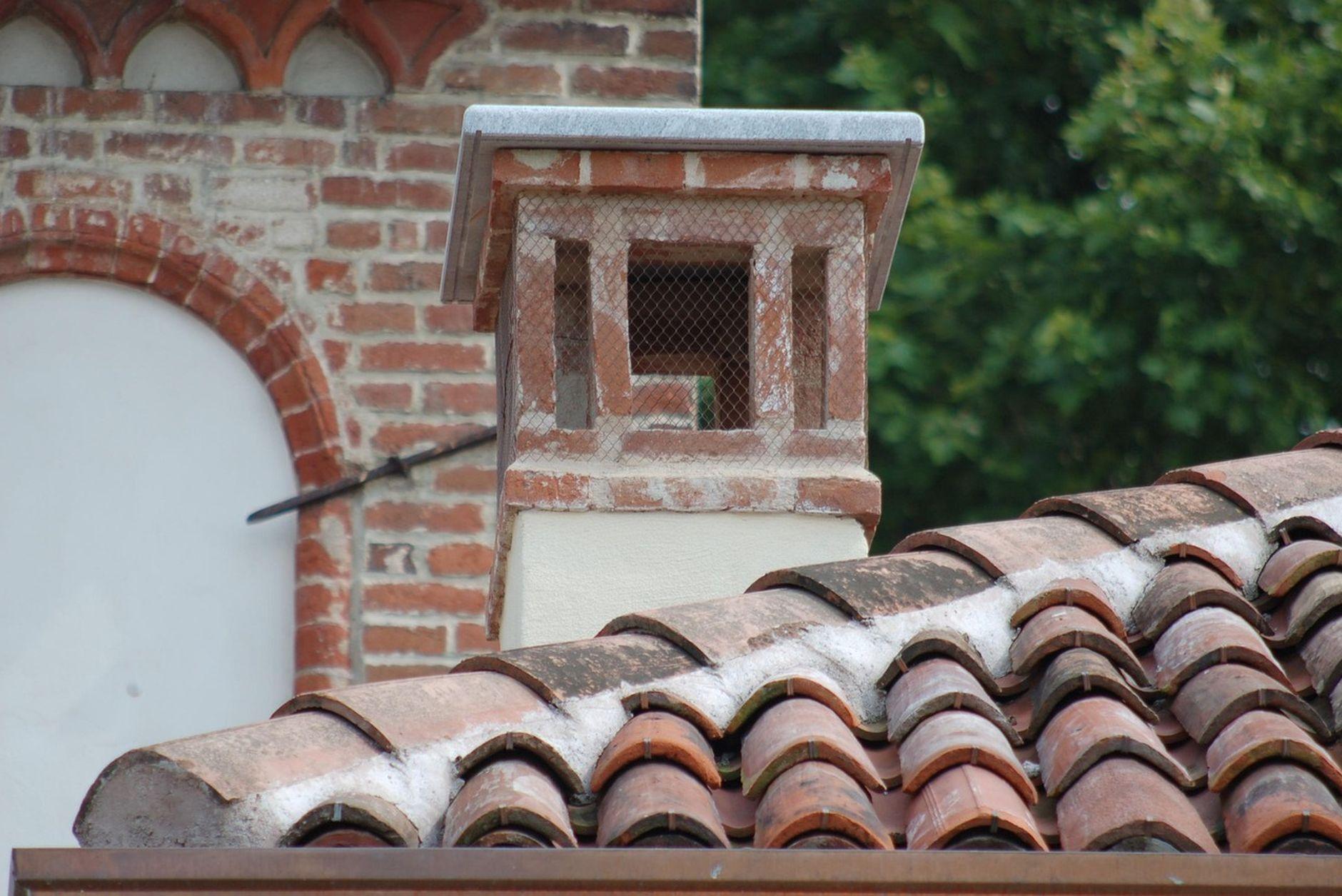
- Masonry above the roof. A hot fire can split the crown, burn the lime out of old joints and crack bricks near the top. Some stacks need repointing. Some need their upper courses taken off and laid again.
- The damper and smoke chamber. Cast iron dampers bend. The smooth coat inside the smoke chamber cracks and falls. Each is a separate line in the scope.
Each of these goes into a written scope with the footage attached. You see the cracked joint, then the line that fixes it, then the figure beside that line.
A liner in one flue plus repointing near the top is a common pairing after a hard fire. A full set of new brick above the roof is less common, and when it is needed the footage makes the case for it frame by frame.
Why two fires cost so differently
Owners compare notes with neighbors and come away confused, because one house paid for a cleanout and a cap and another paid for a liner and a new top section of brick. The difference is rarely about how loud the fire was. It comes from things like these:
- How long it burned. A short flare near the damper can leave the upper tile untouched. A fire that ran the full height for several minutes heats every joint on the way up.
- What the flue is made of. Unlined brick, clay tile and an existing metal liner each fail in their own way.
- How tall the stack is and how hard the roof is to work. A two-story chimney on a steep tile roof takes more setup than a short stack on a low pitch in Huntington Park.
- Whether water came in. Water from a fire crew, or the first winter storm on cracked tile, adds a moisture problem to a heat problem.
- Whether other flues share the stack. A furnace or water heater flue next to the one that burned has to be filmed too.
Insurance, briefly
Many homeowner policies look at a chimney fire as sudden damage, but each policy reads differently and only your insurer can say what it pays for. What we can do is document. Our findings record the date you gave us, what the camera saw, and which damage looks fresh beside which looks old. If you plan to claim, book the camera visit before any repair begins, so the record shows what the fire left behind. The post on chimney fire claims goes further into what an adjuster asks.
Getting a figure for your chimney
Start with the camera survey. Use the request form to give us the address, the date of the fire and anything you have noticed since, such as a smoky attic, black flakes on the hearth or a cap that looks bent. We reply to set a time for the Level 2 inspection and, after it, send a written scope covering any liner work, repairs or rebuild the footage calls for.
Until then, leave it cold
Do not light the fireplace again until the flue has been filmed. A cracked tile can pass heat straight to framing, and a second fire on top of a first is the one that reaches the house. Shut the damper if it still moves, keep the hearth clear, and keep a carbon monoxide alarm working on that floor if a gas appliance shares the chimney.
When you are ready, the contact page takes the address and the date of the fire, and the first visit is set from there.
Had a Fire or Smoke Scare at Home?
Leave the fireplace cold and tell us what happened. We run a camera through the flue, put the damage on record and give you a clear word on burning again. We work from Los Angeles with Rosemead, Huntington Park and South Gate on our regular routes.