
A flashlight cannot answer the question
After a chimney fire, everyone in the house wants to know one thing: can we use the fireplace again? A light pointed up the throat, or down from the top, will not settle it. Most fire damage sits in the middle stretch of the flue, out of reach of both ends, so the visit worth booking is the one that films the whole run.
That visit is a Level 2 inspection. At Yates Chimney Solutions it costs $395, and after a fire in Los Angeles it is the only level we book.
Where the rule comes from
The National Fire Protection Association publishes NFPA 211, and it describes three depths of chimney inspection. The middle one, Level 2, is the depth it asks for once something has happened that may have harmed the chimney, and a fire inside the flue is plainly one of those things. The same standard expects that depth when a house changes owners or a fireplace starts burning a different fuel.
Level 1 still has its place, for a chimney that has had an ordinary year. Level 3 means opening a wall or taking masonry apart to reach a hidden part, and it only comes up when the camera finds something it cannot judge from inside.
What we record on the day
The visit runs from the hearth to the top, and after a fire some areas get closer attention than usual.
- Clay tile joints. Tile heats and grows faster than the mortar between sections. The camera looks for gaps, missing mortar, vertical cracks and sections knocked out of line.
- The smoke chamber. This sloped space above the damper takes the first blast. We look for cracked or fallen coating on its walls.
- The damper. Whether the plate still seats, and whether the frame has bent.
- Charred deposits. Burned creosote looks puffy and dull gray. Where it remains, we note how much and where.
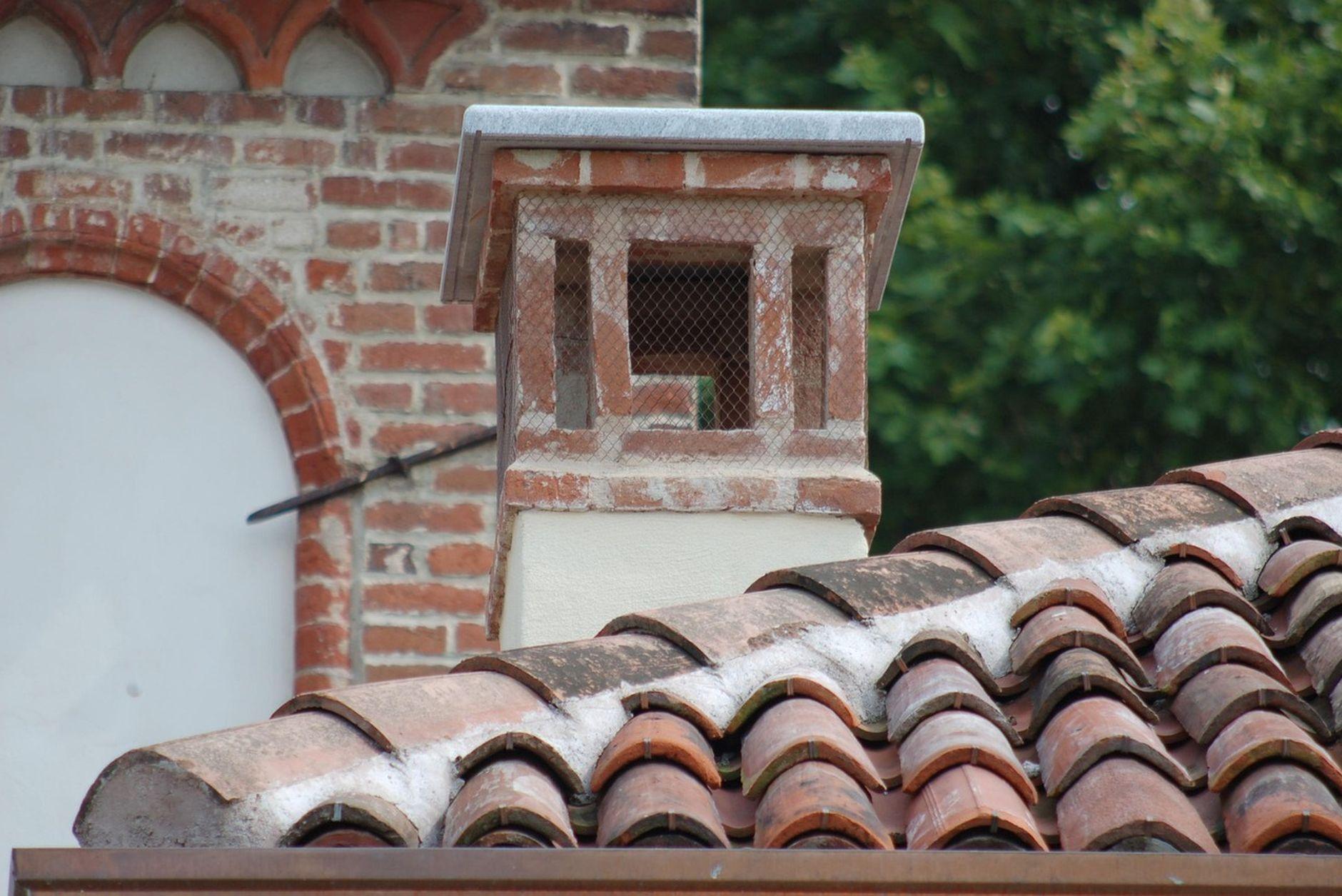
- The roof end. Crown, cap, screen and the brick near the top, which can crack from heat pouring out of the flue.
- The attic. Where the chimney passes the framing, we look for scorch marks or smoke staining on the wood beside it.
When a heavy coat hides the tile from the camera, the findings say so and name the cleanout needed before the flue can be judged. We do not guess at tile we cannot see.
What the findings tell you
Each finding is set down in plain words with a still from the footage and its height in the flue. The document closes with one of three answers about the fireplace:
- fit to use once cleaned;
- not to be used until the listed repairs are done;
- not to be used, with the reason the damage calls for a liner or a rebuild.
That last line is what owners, tenants and insurers all ask for, which is why we write it as a sentence anyone can follow rather than a code. Where repairs are listed, each one points back to the frame that shows the problem, so a contractor, an adjuster or a buyer can see the reason for every line.
If the fire seemed small
Some owners describe a crackle and a puff of smoke that stopped by itself, and wonder whether a camera visit is too much. Small fires are the ones most often missed. A slow burn in a smoldering layer of creosote can heat the tile for a long while without the roar people expect, and it leaves the same cracks behind. Things worth mentioning when you book: black, honeycombed flakes on the hearth or the roof; a cap or antenna near the top that looks discolored; a damper that has bent and will not close; smoke that came into the room or the attic. Any one of them is reason enough to film the flue.
Who receives it
The person who books gets the findings and the stills. If an insurer, an adjuster, a landlord or a buyer's agent needs a copy, add their name and email to the booking and they receive the identical file. Nobody is sent a different version.
Buying a house that had a chimney fire
California sellers disclose what they know about a property, and a past chimney fire sometimes shows up in those papers. If you are buying, a Level 2 during the inspection period tells you whether the repair was done and whether it held. A new stainless liner with its top plate and cap in place looks very different on camera from an old clay flue with fresh cracks. Our home sale page explains how we get into a house when the buyer lives far away.
What the price covers, and what may follow
| Item | Price |
|---|---|
| Camera inspection after a fire, with written findings | $395 |
| Cleanout of charred buildup, if the findings call for it | from $425 |
Everything the camera turns up after that, from a cracked smoke chamber to a new liner or a rebuilt top section, goes into a written scope with its own figure. You can compare it, hand it to an insurer, or hold it until a claim is settled.
This is the point to book. Use the request form with the address, the date the fire happened and everyone who needs a copy, and we come back to you to fix a visit.
Before the visit
Leave the fireplace unused. Keep the damper shut if it still closes, so cold air and loose flakes stay in the flue. If the chimney also vents a furnace or water heater, keep a carbon monoxide alarm near it and mention it when you book, because that flue gets filmed as well.
Questions about what the Level 2 inspection includes can come through our contact page, and the answer comes back in writing.
Had a Fire or Smoke Scare at Home?
Leave the fireplace cold and tell us what happened. We run a camera through the flue, put the damage on record and give you a clear word on burning again. We work from Los Angeles with Rosemead, Huntington Park and South Gate on our regular routes.