
The brick decides more than the fire
Two chimneys can burn on the same night and need opposite repairs. One gets a new liner and is back in use. The other loses its upper courses of brick and is laid again from the roofline up. The fires were much alike. The chimneys around them were not.
This guide is for owners in Los Angeles whose Level 2 inspection has come back with damage, and who now hold a scope with liner or rebuild work on it. It explains what each repair does, when we lean toward one over the other, and when a chimney needs both.
What relining fixes
The liner is the inner tube that carries smoke and heat up and keeps them off the brick and the wood framing nearby. In most older houses here it is clay tile in short sections, and after a fire those sections are what break.
Relining replaces that tube without taking the chimney apart. The common choices:
- Stainless steel. A flexible or rigid stainless tube is lowered from the top, joined to the fireplace or appliance at the bottom and finished with a top plate and cap. Where the gap to nearby wood is tight, it gets an insulating jacket.
- A poured lining. A form goes into the flue and a heat-rated cement mix is placed around it, which can also stiffen a flue whose tile is cracked but still standing.
- New clay tile. Seldom practical in a standing chimney, because the old tile has to come out first.
A liner is the right answer when the flue is damaged but the masonry around it is sound: brick tight, joints mostly whole, crown intact or fixable, stack straight.
What a rebuild fixes
Rebuilding is about the masonry itself. A fire that ran hot for several minutes can crack bricks near the top, burn the lime out of old mortar and split the crown. Many older stacks here already carry cracks from the quakes of 1987 and 1994 before any fire reaches them, and decades of winter rain have worked into those cracks since.
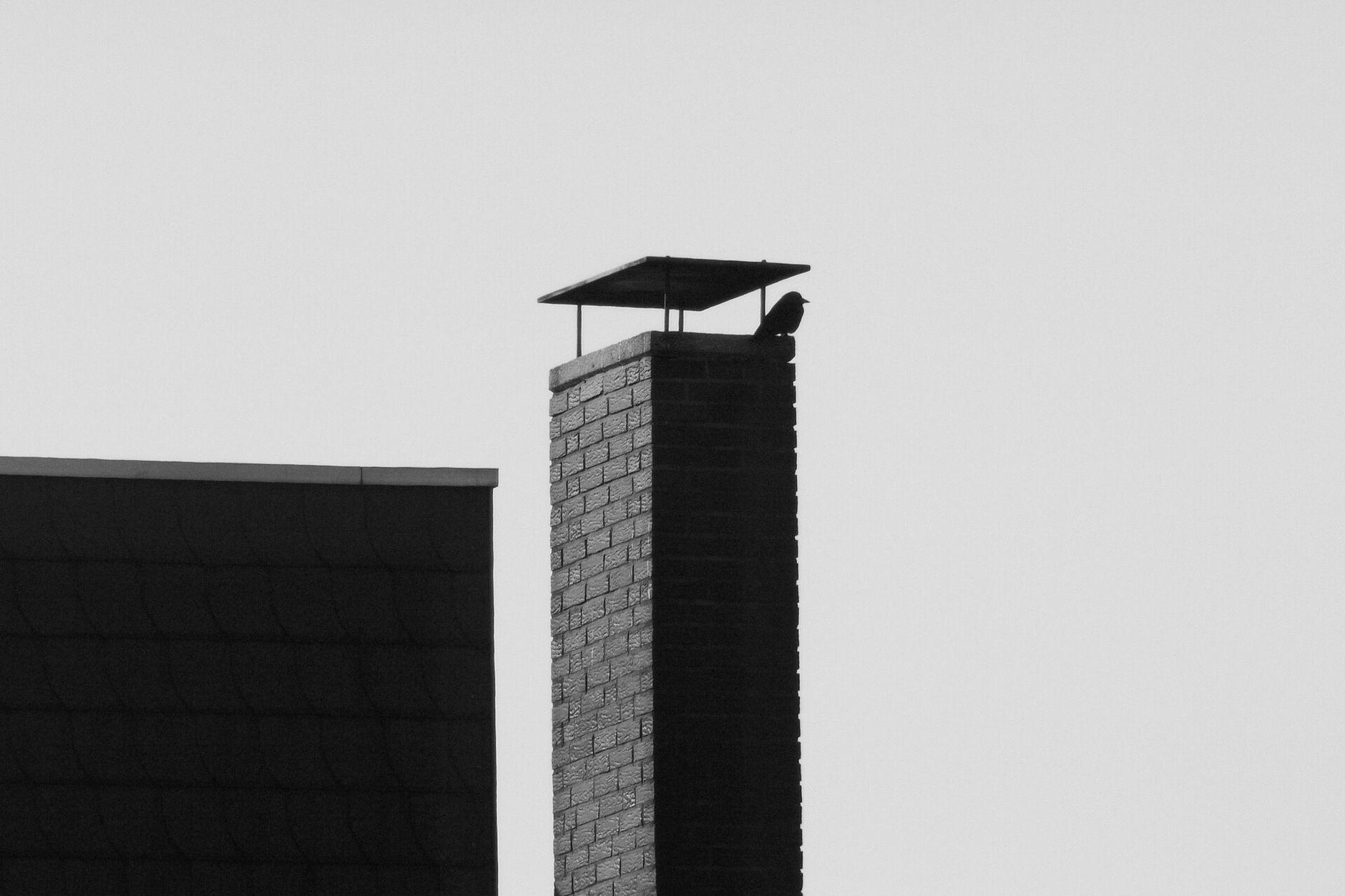
A partial rebuild removes the upper courses that heat or ground movement has loosened, then lays them again with fresh mortar, a new crown and, nearly always, a liner inside. On a typical one-story house the work stays above the roof, so the room below is barely touched.
Taking a chimney out entirely is uncommon after a fire alone. It comes up when the stack leans, when cracks run through the lower courses, or when the inspection finds the chimney drifting away from the wall of the house.
Signs that point one way or the other
| What the camera and the roof show | Usual direction |
|---|---|
| Cracked or shifted tile, brick tight and straight | Reline |
| Damaged tile, split crown, a few loose bricks at the top | Reline plus crown or masonry work |
| Brick cracked through above the roof, mortar crumbling | Partial rebuild with a liner |
| Stack leaning or parting from the house | Rebuild, scope written after a closer look |
Why we often recommend both
New brick laid around an old cracked flue only moves the weak point. A new liner inside crumbling brick leaves the outside to fail on its own schedule. When the fire damaged both, the scope pairs them, and the rebuild and the liner happen during one roof setup so you are not paying for access twice.
What a rebuild looks like at the house
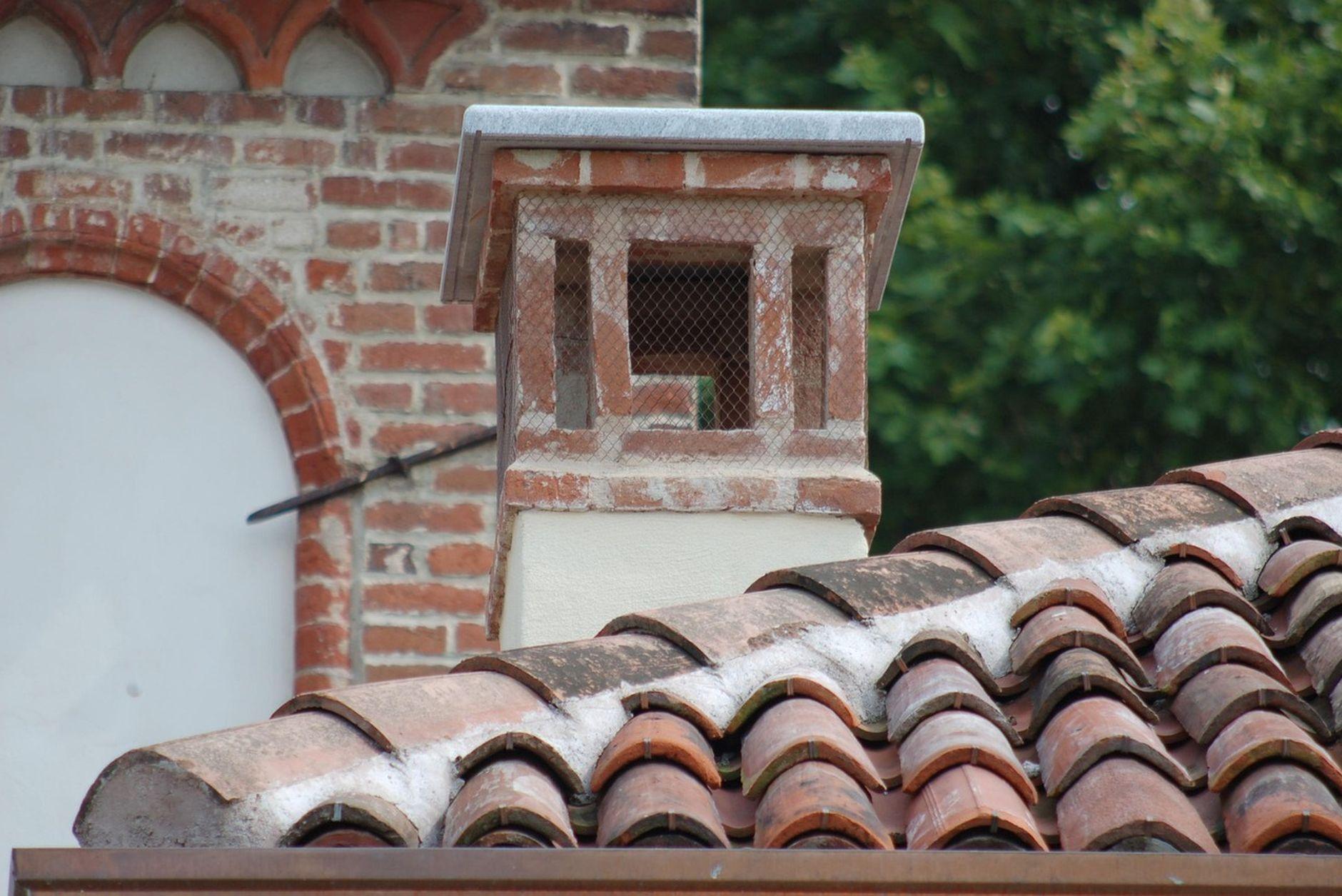
A partial rebuild usually means roof brackets or scaffolding at the stack, tarps over the roofing below it, and old brick lowered in buckets rather than dropped. Brick that is still sound and matches can be cleaned and laid back on the side the street sees; the rest is matched as closely as local yards allow. The liner goes in before the top is finished, the new crown is cast with a fall toward its edges, and the cap goes on last.
What sets the cost
Liners and rebuilds carry no published price on this site, because the run of the flue, the liner size, the number of courses and the roof access make each one its own job. The figures we do publish cover what comes before them:
- camera inspection of the burned flue: $395
- cleanout of charred buildup: from $425
- new cap with a spark screen: quoted on site
Beyond that, the written scope puts a figure on each liner or masonry line, tied to frames from the footage. If you already hold a scope from someone else and want a second opinion before signing, send it through the request form with the address and the inspection date. We tell you whether we would need to film the flue again and, after a visit, give our own figure line by line.
What happens to the fireplace while you decide
It stays cold. A burned clay flue can pass heat through a crack to the wood beside it, and that risk does not wait for a claim to settle. If the chimney also serves a furnace or water heater, that appliance may need its own vent sorted out first; the findings say so when it applies.
Choosing who does it
Ask anyone who quotes how they decided between a liner and a rebuild, and which footage they based it on. A good answer points to specific frames. Ask whether the same crew does the masonry and the liner, or whether one half is handed to another company. Ask what happens if the brick turns out worse once the top courses come off, and how a change to the scope gets agreed in writing.
Our pages on liner installation and chimney rebuilds explain what each job includes, and the cost guide for fire repairs shows where these sit next to the smaller items. The contact page is how to put your chimney on our list.
Had a Fire or Smoke Scare at Home?
Leave the fireplace cold and tell us what happened. We run a camera through the flue, put the damage on record and give you a clear word on burning again. We work from Los Angeles with Rosemead, Huntington Park and South Gate on our regular routes.