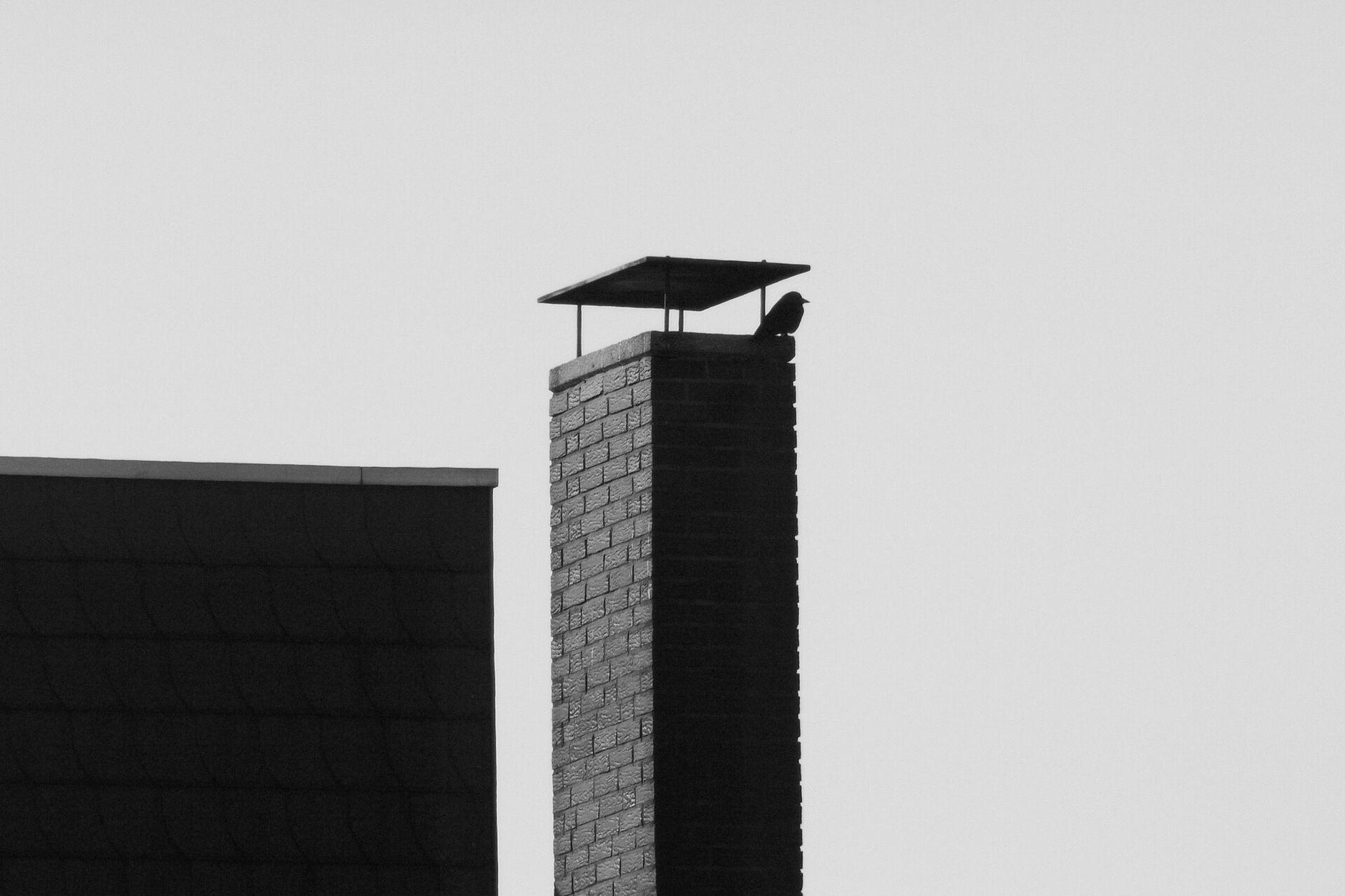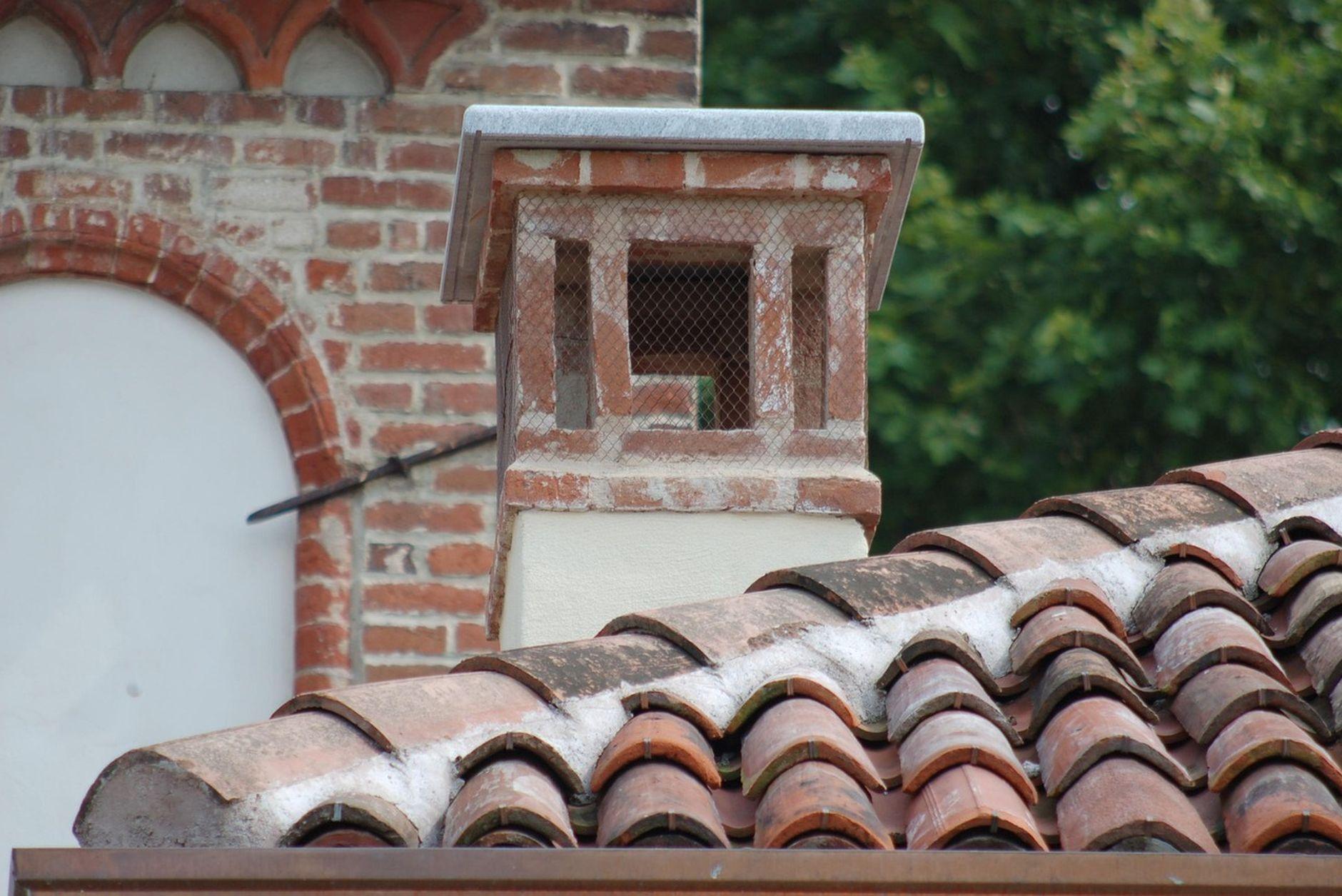

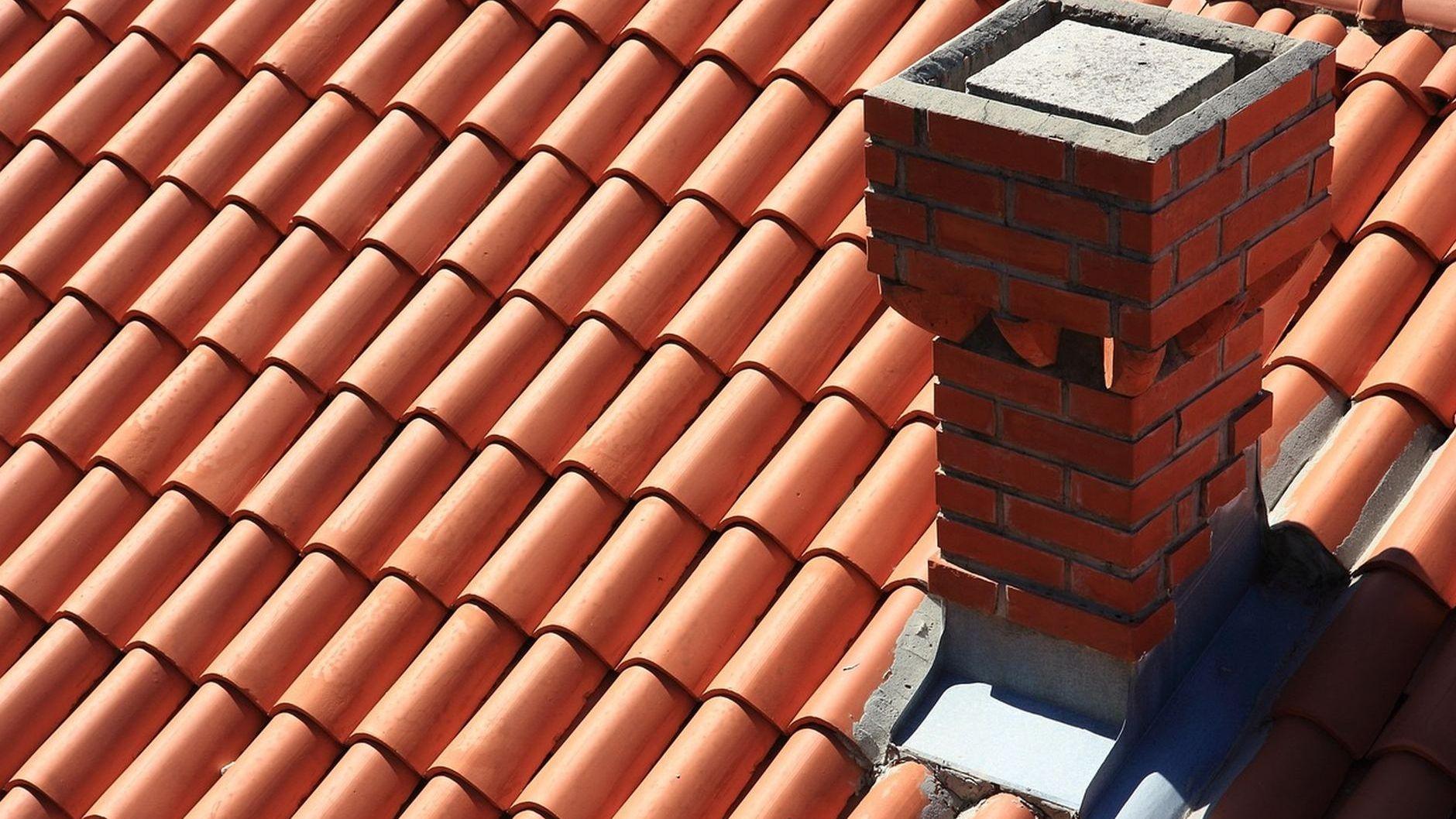
The house came through. Look at the top of it.
When a brush fire comes close and the house is still standing, attention goes to the yard, the eaves and the smell inside. The chimney deserves a turn too. Wind-driven embers land on roofs, ash settles into open flues, and radiant heat from burning brush or a neighbor's garage reaches the top of a stack well before it reaches the walls.
Yates Chimney Solutions sees this side of fire season across Los Angeles, from hillside streets above the basin to flat blocks where Santa Ana winds carry embers farther than anyone expects. This post covers what we check after a nearby fire, what usually needs fixing, and what each piece costs where we publish a price. Our Los Angeles area page lists the neighborhoods we reach.
What a nearby fire does to a chimney
- Caps and screens. A screen packed with ash, or partly melted, no longer stops embers. A cap bent by heat or a falling branch lets rain in.
- The crown. Heat on one side of a cement crown can crack it, and those cracks feed water into the brick all next winter.
- Chase covers. On factory-built chimneys boxed in siding or stucco, the metal lid on top can warp or discolor, and the box itself may have scorched.
- The flue. Ash and debris drop in through an open or damaged cap. Now and then embers light a small fire inside, which then counts as a chimney fire in its own right.
- Flashing and sealant. Heat softens sealant at the base of the stack and can lift the metal where it meets the roof.
- Smoke odor. Ash in the flue and smoke chamber holds a smell that drifts into the room on warm days or when the wind shifts.
What we look at on a post-fire visit
A Level 2 inspection at $395 is the right depth if there is any sign heat or embers reached the flue, or if your insurer wants the chimney on record. It films the full flue, looks over the crown, cap, chase cover and flashing, and checks the attic where the chimney passes through. If only the outside took heat and the cap held, a Level 1 at $55 may be enough to confirm it, and the visit notes say which depth applies.
The usual repairs and their prices
| Repair after a nearby fire | Price |
|---|---|
| New cap with an ember screen | quoted after we measure |
| Ash, soot and debris cleared from the flue | from $425 |
| Water entry where heat opened a path | $565 to $3,400 |
| Crown, chase cover, flashing or waterproofing | figure set once we have seen it |
Crown repair after heat damage means either sealing and coating a crown that is cracked but whole, or breaking out one that has split through and casting a new one. A warped chase cover gets replaced rather than hammered flat, since bent steel holds water. Waterproofing comes last, once the brick and crown are sound, so it is not sealing damage in.
What decides the scope
- How close the fire came, and which way the wind blew that day.
- Whether the cap had a screen, and what it was made of.
- Brick, block or a factory-built chimney inside a framed chase.
- Whether ash or embers got into the flue.
- Whether a gas appliance shares the chimney and needs its vent checked.
Older brick chimneys often go into fire season with a crown already crazed by decades of sun and rain, and heat finishes what the weather began. Houses three doors apart often come out with different lists. Use the request form to tell us the address, how near the fire came and anything you have noticed on the roof or in the room, such as a bent cap or a smell that will not leave. We reply to set the visit and the inspection depth.
When the smell will not leave
Smoke odor after a wildfire often has two sources at once: the house and the chimney. Air cleaners and fresh paint deal with the first. The second comes from ash and soot lodged on the smoke shelf, the damper and the flue walls, and it returns on warm afternoons when air moves down the chimney into the room. A chimney sweep, from $425, clears what the fire dropped in. If the smell outlasts the sweep, the camera usually finds why: a gap at the damper, a cracked tile holding ash, or a cap that lets more in each time the wind turns.
Insurance after a wildfire
Policies differ, and only your insurer decides what is paid. Adjusters working a whole neighborhood move fast, and a chimney record with dated stills gives them something specific to work from instead of a line on a general estimate. Our post on chimney fire claims covers what goes in that record and how fresh damage is told apart from old.
Before the first fire of winter
Leave the fireplace unused until it has been checked. Ash in a flue is not just a smell; mixed with old creosote it burns, and a cap that no longer stops embers lets the next windy night drop more in. A post-fire visit in fall puts the chimney back in service before the cold arrives, rather than finding a problem on the first cold evening.
If the fire was close enough to scorch the chimney itself, or the cap is gone, the repair guide for chimney fires shows what deeper work can cost and why it varies.
Reach us through the contact page with the address and how close the flames came, and we will set up the visit.
Had a Fire or Smoke Scare at Home?
Leave the fireplace cold and tell us what happened. We run a camera through the flue, put the damage on record and give you a clear word on burning again. We work from Los Angeles with Rosemead, Huntington Park and South Gate on our regular routes.